

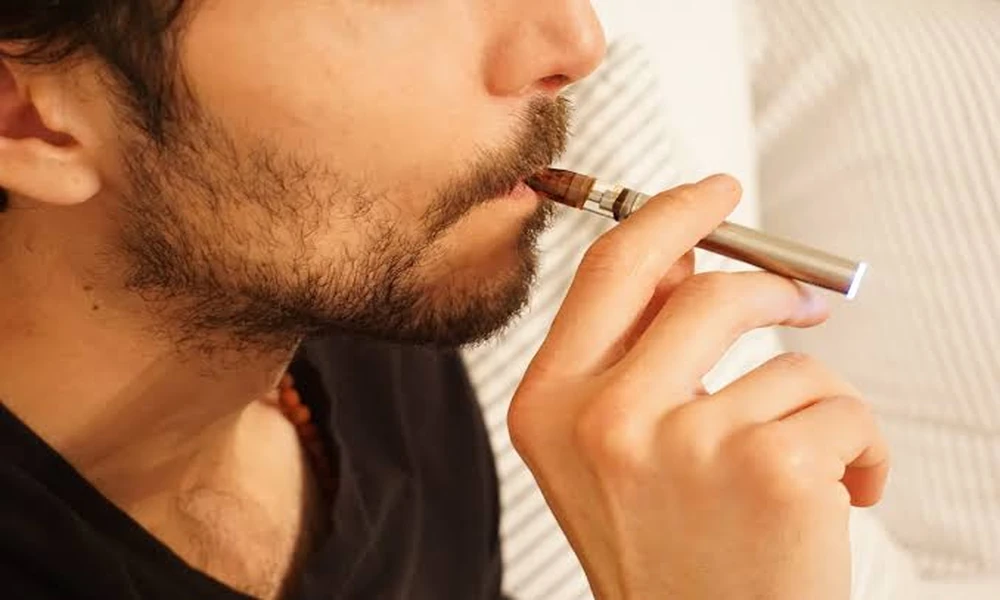
Cannabinoid blends sit at the heart of modern cart formulation, pairing compounds like THCA and THCP so each contributes something the other lacks. A single cannabinoid delivers one dimension of intensity, while a considered blend layers onset, depth, and duration into a fuller session profile. Reviewers at DabConnection regularly note that blend composition separates memorable products from forgettable ones, since two carts carrying identical total percentages can feel entirely different depending on how their compounds are proportioned and combined.
Compound pairing inside blends
Compound pairing inside blends works because cannabinoids interact rather than stack. THCA supplies the foundation, converting into its active form during each heated draw and carrying the bulk of a session’s character. THCP joins in far smaller proportions yet binds with unusual strength, sharpening the overall intensity well beyond what its percentage suggests. Minor cannabinoids fill the spaces between these anchors, rounding edges and extending how long effects hold. Proportion decides everything within this arrangement. A formulation leaning heavily on THCA with a trace of THCP produces a different session than an even split, and makers adjust these ratios deliberately to position each product for a particular kind of user. Reading the compound breakdown on a lab certificate, therefore, reveals the intended character before the first draw ever happens.
Terpenes complete the blend character
Terpenes complete the blend character, giving formulations their final shape, because these aromatic compounds influence onset speed and session personality alongside flavour. A citrus-forward profile tends to arrive quickly and brightly, while earthier selections build gradually and settle deeper. Formulators choose terpene sets to match the cannabinoid structure underneath, aligning fast compounds with fast profiles or deliberately contrasting them for balance. Extract base shapes to determine how much terpene character survives into the finished oil. Live resin carries native plant profiles through cold extraction, giving blends a fuller voice than refined distillate, rebuilt with added terpenes afterwards. Solventless rosin preserves even more, which is why blend-focused formulations increasingly start from these richer bases despite the extra production care they demand.
Blend behaviour in larger formats
Blend behaviour in larger formats tests formulation quality over weeks rather than days, since a 2-gram chamber holds its oil far longer than smaller sizes before emptying. Delicate minor cannabinoids and volatile terpenes must survive extended air contact and daily temperature swings, so blends destined for bigger reservoirs need stability built into their composition from the start. Sealed glass chambers and tight airflow help, yet the formulation itself carries the main preservation burden. Consistency across the reservoir matters equally. A well-constructed blend vaporises evenly, so early sessions and final draws share the same character, while poorly integrated formulations separate subtly over time, shifting flavour and intensity as the chamber empties. Users notice this difference most in the closing week of a larger cart’s life.
Cannabinoid blends play the defining role in formulation, setting intensity through compound pairing, character through terpene selection, and reliability through stability in extended formats. A THCA and THCP structure carried on a live resin base, proportioned deliberately and preserved well, delivers the layered sessions that single-compound oils cannot reach, and reading the full breakdown on a lab certificate remains the surest way to know what any blend will actually deliver.