

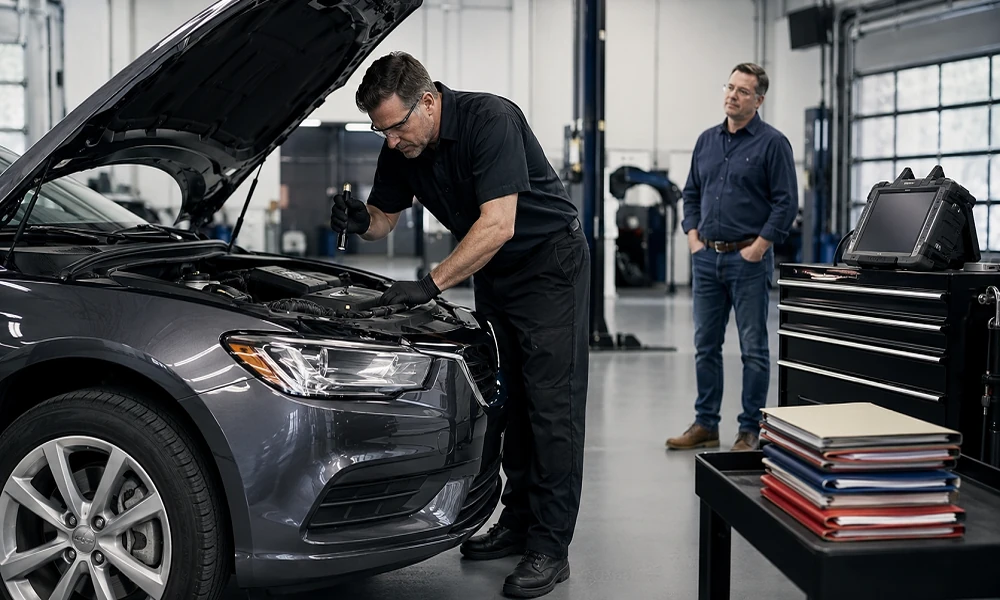
A vehicle that repeatedly returns to the repair shop can disrupt work, family plans, and household finances. California warranty protections may offer a path forward when a manufacturer cannot repair a covered problem after a reasonable number of opportunities. One possible remedy is a manufacturer repurchase. It is more structured than simply selling the car back to a dealer, and the outcome depends on the warranty, repair history, defects, and other factors.
Drivers should understand the basic framework before accepting a proposed repurchase. An offer can contain several figures, deductions, and conditions. A clear review helps a consumer see whether the calculation reflects the vehicle’s actual purchase and repair record.
What a Manufacturer Repurchase Means
A statutory repurchase may become available when a warranted vehicle does not conform to the applicable warranty and the manufacturer or its authorized repair facility has had a reasonable chance to fix the problem. The defect generally must substantially impair the vehicle’s use, value, or safety. Whether that standard is met is fact-specific; no single repair count determines every claim.
The California Attorney General’s California consumer guidance for buying and maintaining a car explains the broad conditions that can support a repurchase or replacement. Those protections can apply to many new vehicles and to some used vehicles sold with the manufacturer’s new-car warranty still in effect.
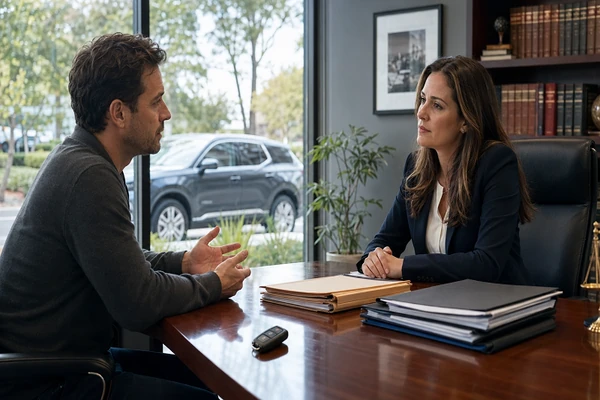
What the Calculation May Include
A qualifying repurchase is not normally based on the vehicle’s current trade-in value. Depending on the transaction and applicable law, restitution may account for the amount paid or payable, certain manufacturer-installed options, sales or use tax, registration charges, and other official fees. Reasonable incidental expenses incurred due to the warranty problem may also be relevant, such as towing or rental costs supported by records.
The exact calculation requires care. Items added by a dealer, negative equity, service contracts, rebates, and financing details can raise separate questions. A consumer reviewing a proposed lemon law buyback should compare every line with the purchase agreement, payment history, repair orders, and receipts rather than relying on the headline amount alone.
The Mileage Offset Matters
California law permits a deduction for the consumer’s use of the vehicle before the first repair attempt for the problem that led to the repurchase. The statutory formula uses the mileage at that relevant repair visit, the vehicle’s price, and a 120,000-mile denominator. A later odometer reading can produce a very different number, so the first matching repair order is important.
Drivers should also distinguish a formal warranty repurchase from a goodwill settlement or ordinary trade-in. The California DMV’s guidance on branded vehicle titles identifies a warranty return as a vehicle returned to the manufacturer under California law. Title branding and resale disclosures concern the vehicle’s future history, not just the original owner’s payment.

Records That Help Clarify the Claim
Strong documentation gives the story a reliable timeline. Keep the sales or lease contract, warranty booklet, every repair order, invoices, photographs or videos of the problem, towing and rental receipts, and messages with the dealer or manufacturer. Check that each repair order accurately states the complaint, even if the technician could not reproduce it. Note when the vehicle entered and left the shop so cumulative days out of service can be reviewed.
Do not stop using reasonable safety precautions merely to create a record. If a defect could affect safe operation, follow the manufacturer’s warnings and seek appropriate repair advice. Avoid unauthorized modifications that could complicate the problem’s cause. Keep copies of documents before returning the vehicle or signing a release.
Common Mistakes to Avoid
Owners can weaken a clear record by relying on phone conversations, accepting repair orders with an incorrect complaint, or trading the vehicle before the claim is evaluated. Stopping loan or insurance payments without written guidance can create separate financial problems. It is also risky to assume that a manufacturer’s first number is a complete statutory calculation. Ask for the offer and supporting figures in writing, check every deduction, and keep the vehicle in reasonable condition while the matter is under review.

Review the Offer Before Signing
A manufacturer repurchase can offer meaningful relief, but only when its terms match the consumer’s facts and legal rights. Seven Law Group provides free case evaluations for California drivers dealing with recurring warranty defects. Visit the firm’s website to request a review of the repair history and proposed calculation before accepting a final offer.
This article provides general information and is not legal advice. Outcomes and available remedies depend on the specific facts, documents, and applicable law in each matter.