

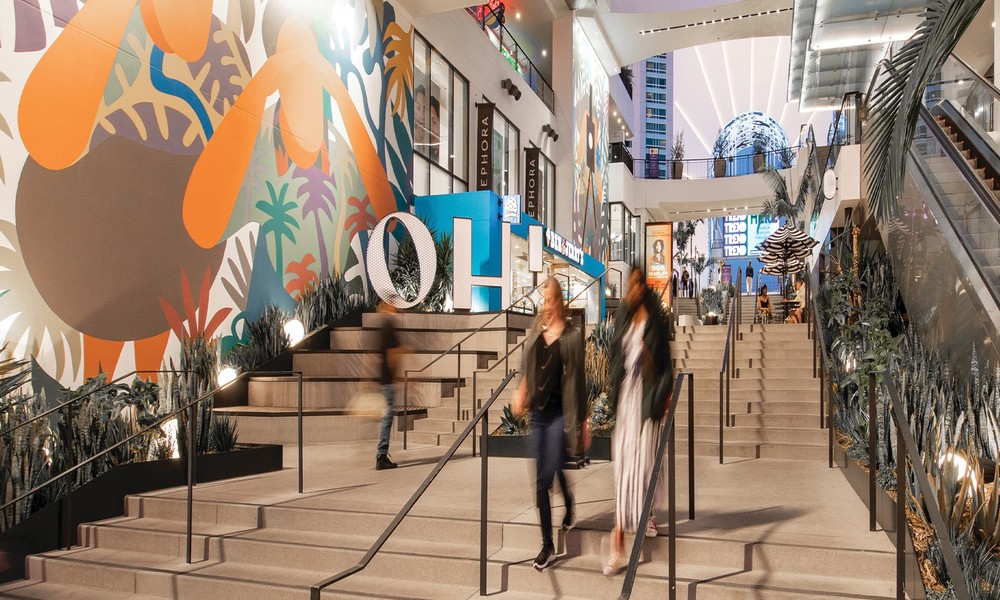
In a city’s visual landscape, signage is often the first handshake between a brand and the urban passerby. From hand-painted wood to illuminated 3D logos, the story of custom signage is as much about evolving technology as it is about the shifting language of brand identity.
Origins of Custom Signage in Urban Environments
The earliest signs were simple, practical tools for identification. Shopkeepers in bustling markets would hang symbols, like a boot for a cobbler or a loaf for a baker, outside their doors. These images made businesses stand out in a largely illiterate society, weaving the first threads between commerce and visual storytelling.
Early Uses of Signage for Business Identification
Signs began as straightforward identifiers. Painted boards, wrought iron brackets, and carved stone plaques helped customers find smithies, apothecaries, and inns. The purpose was clear: announce a business, guide customers, and differentiate from the competition.
Influence of Industrialization and Urban Growth
With the Industrial Revolution, cities swelled and competition intensified. Businesses needed to project identity beyond mere function. This era saw the emergence of elaborate typefaces, neon lighting, and bold colors. Suddenly, signs were not just markers; they became statements.
Materials and Techniques in Historic Signage
The materials used in signage mirrored available resources and craftsmanship. Wood, metal, glass, and later porcelain enamel gave each era its signature look. Techniques shifted from hand painting to machine production, opening new possibilities for scale and consistency.
The Role of Branding in Shaping Signage Design
As cities modernized, signage evolved from utilitarian notice to brand ambassador. The shift was subtle but profound: businesses wanted not only to be found, but to be remembered.
Transition from Functional to Brand-Centric Signage
No longer content with generic signs, companies began integrating personality, values, and promise into their visual presence. The sign became a canvas for brand stories, communicating more than just a name.
Incorporation of Logos and Brand Colors
With the rise of corporate branding, logos and custom color palettes were directly incorporated into signage. Consistency across touchpoints, storefronts, interiors, and even directional signs, became essential to reinforce brand recognition.
The Rise of Three-Dimensional and Illuminated Signs
Technology unlocked new dimensions, literally. Three-dimensional logos, edge-lit acrylic, and programmable LED displays allowed brands to sculpt light and shadow, making their identities not just visible, but magnetic after dark.
Technological Advances Transforming Custom Signage
Materials and methods now allow for endless customization. Metals like aluminum and stainless steel, acrylics, and high-performance vinyl have redefined what is possible in sign design. Digital printing offers photo-realistic images, while LED integration delivers energy-efficient illumination. Perhaps most revolutionary, CAD and 3D modeling bring client visions to life before a single cut is made.
Custom Signage as a Reflection of Urban Identity
The best signage does more than sell. It harmonizes with the built environment, enhancing rather than competing with architectural features. Custom signs guide visitors through complex urban spaces, aiding wayfinding and navigation. In cities like Montreal, iconic signs not only attract tourists but also become an enduring part of local culture.
Sustainability and Durability in Modern Signage
Eco-conscious brands now demand signage that lasts and minimizes environmental impact. The use of recycled metals, lead-free paints, and advanced pollution controls is no longer a luxury. A durable sign must endure not just weather, but urban pollution and changing tastes. Routine care, like cleaning every few months, is advised to keep signs gleaming well into the future.
The Client-Centric Approach: Customization and Collaboration
No two brands are identical, and neither is their signage. Custom shops now tailor size, material, and color to fit a client’s exact needs and space. The process is interactive, with clients invited to comment, revise, and approve every stage, from initial sketches to final installation. Installation flexibility ensures any surface, from brick to glass, can host unique creations. For example, signalisation commerciale Orthografica demonstrates how detailed collaboration results in signage that feels perfectly at home, indoors or out.
The Future of Custom Signage in Urban Spaces
Looking ahead, smart and interactive signs will blur the line between digital and physical space. Augmented reality overlays, real-time data displays, and touch-activated wayfinding are on the rise. As urban centers become more international, global reach demands local adaptation, signage must speak the visual language of each unique city.
Conclusion: Signage as a Living Element of Brand Identity in Cities
A city’s signage is never static. As tastes, materials, and technologies evolve, so too does the way brands announce themselves to the world. The challenge and opportunity lie in balancing innovation with authenticity, ensuring that every sign continues to spark connection and recognition in the ever-changing urban landscape.