

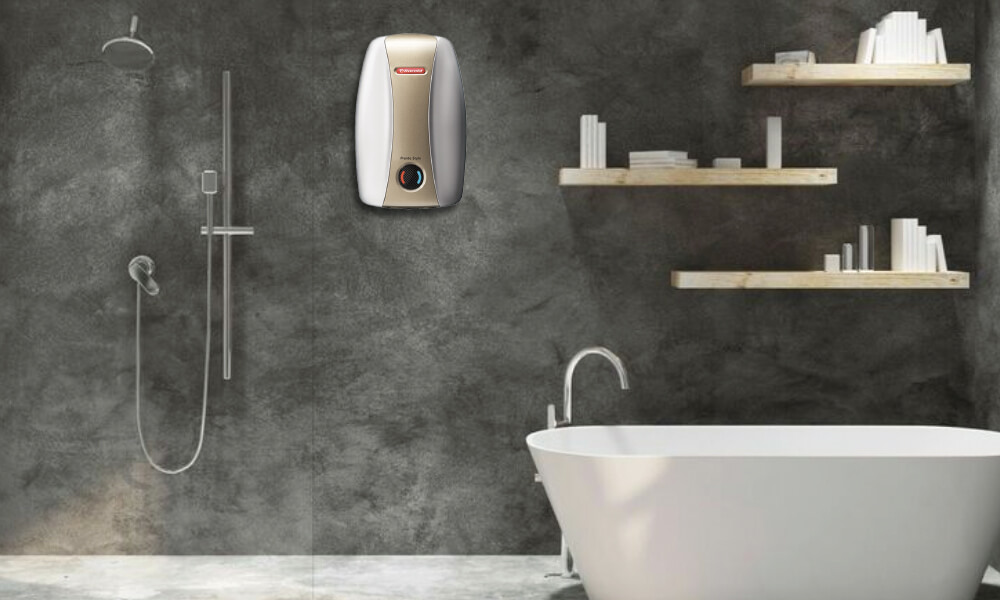
Gone are the days when people would labour over the stove waiting for the water to boil before tackling a mountain of dishes. Instant geysers are an essential appliance in many homes now. They not only cater to your bathing needs but also supply water for cleaning and cooking. However, a range of misconceptions surrounding the safety and usage of the age-old traditional water heaters has most consumers in a fix. Well, fret not! We are here to myth-bust the most common misconceptions around water geysers to arm you with the accurate information you need to pick the best ones for your home.
Myth 1: Water Geysers are Dangerous Appliances
Truth: We have movies and TV shows to thank for the notion that geysers are subject to malfunctions at the most dramatic times. Due to advanced technologies these days, such concerns are rare. Modern instant geysers are equipped with a multitude of safety mechanisms, including temperature and pressure relief valves to prevent any potential hazards. Constant research, regular maintenance, and proper installation mitigate these risks, making geysers a safe option for domestic use.
Myth 2: Higher Wattage ensures Faster Hot Water
Truth: On one hand, higher wattage generally ensures quicker heating of water, but there are several other factors at play as well. The flow rate of the water as well as the size and distance of the pipe impacts how quickly the hot water reaches your tap. Hence, both of these things are necessary to determine how quickly the hot water is delivered through the system.
Myth 3: Bigger Geysers are Always Better
Truth: Bigger appliances are not always better for every household. It is always most reasonable to select a geyser tailored to the water consumption habits of a household. For instance, instant geysers can be an adequate choice for smaller families. On the other hand, geysers with storage tanks can suit bigger families or establishments like hotels.
Myth 4: All Water Heaters Make Noises
Truth: While some nominal sounds, like the flow of water are completely normal, excessive sounds or unusual clanking may often indicate an underlying problem. If you notice rumbling noises from storage tanks or a hissing sound, then it could signal a sediment buildup or a leak, respectively. Moreover, in a tankless heater, a whining sound may indicate scaling. When you encounter such noises, it is recommended to have it checked by a professional to ensure safety and prevent damage.
Myth 5: Descaling and Flushing a Geyser isn’t Necessary
Truth: Just like any other appliance, geysers also need a regular maintenance check. Flushing and descaling a geyser is essential to ensure its longevity and efficiency. Flushing removes sediment from the tank, while descaling gets rid of the calcium buildup. Hence, periodic maintenance can help prevent any potential issues that may hinder the quality of your product.
The Bottom Line
Believing geyser myths is a thing of the past! No matter if you opt for traditional storage, water heater, or instant geyser, it is always essential to equip yourself with the knowledge to make informed buying decisions. One shouldn’t shy away from new technological advances. Invest in a water geyser that is cost-effective, efficient, and ensures optimal performance to best suit your household today.