

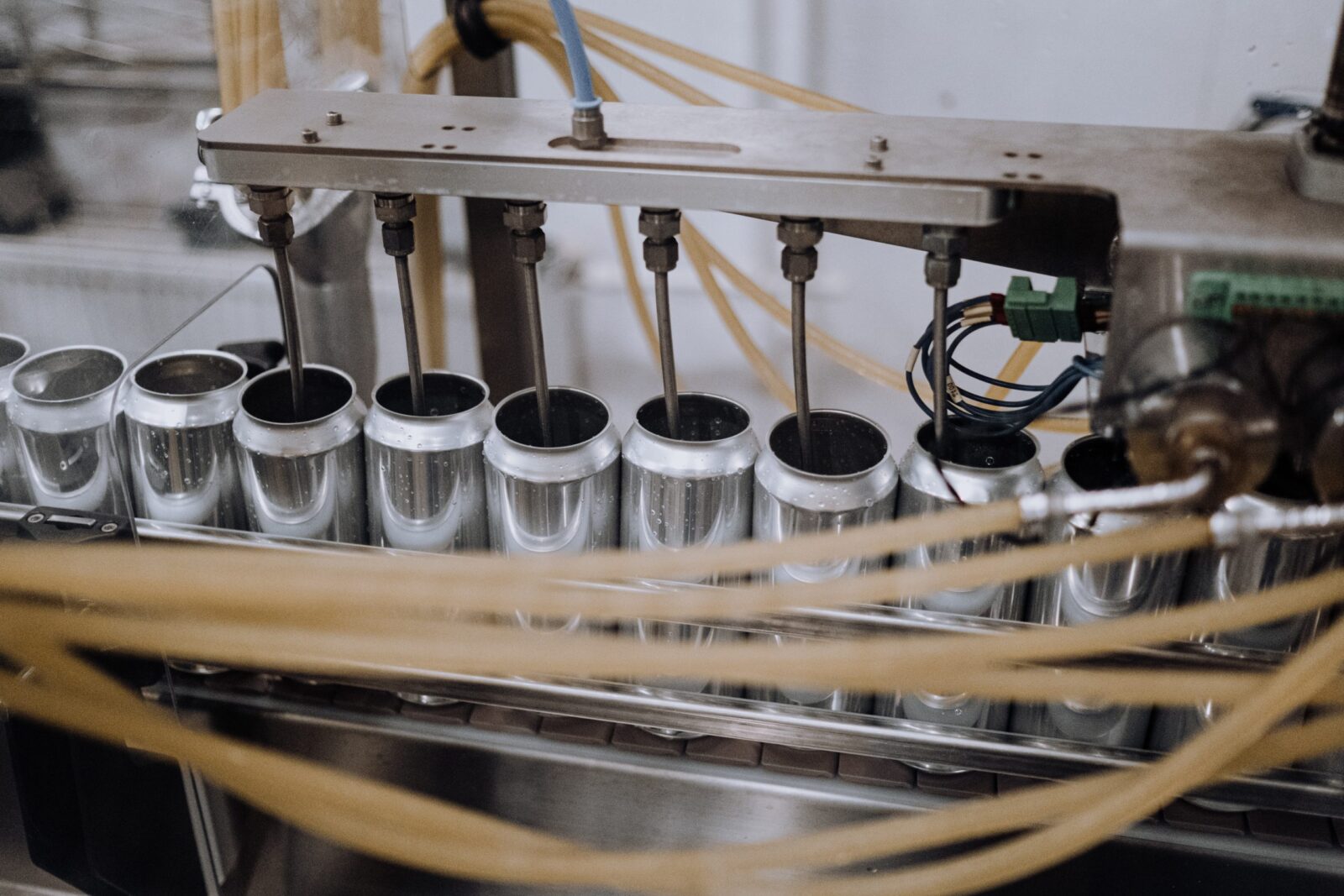
In a high-tech printing facility on the outskirts of a bustling metropolis, a digital press whirs at a dizzying speed. Within a fraction of a second, vibrant inks are deposited onto a non-porous plastic substrate. Under normal circumstances, these inks would remain wet for minutes or even hours, prone to smudging and blurring. Instead, they pass under a violet-hued glow and emerge instantly bone-dry, durable, and ready for shipping.
This industrial “magic trick” is the result of uv curing, a sophisticated photochemical process that has quietly revolutionized everything from the smartphone in your pocket to the dental fillings in your mouth. As industries move away from slow, energy-hungry thermal ovens and toward sustainable, high-speed solutions, understanding the science and strategy behind this technology is no longer just for engineers. It is essential knowledge for anyone looking to bridge the gap between efficiency and quality.
The Silent Alchemy: The Science of Photopolymerization
At its core, uv curing is a transformation. It is the process of using ultraviolet light to change a liquid into a solid. Unlike traditional drying, which relies on the evaporation of solvents, this method uses a chemical reaction known as photopolymerization.
The liquid “ink” or “coating” is actually a complex cocktail of monomers, oligomers, and photoinitiators. When ultraviolet light strikes this liquid, the photoinitiators act like tiny chemical detonators. They absorb the light energy and generate reactive species that force the monomers and oligomers to link together in a rigid, three-dimensional network.
This reaction is nearly instantaneous. Because it does not rely on evaporation, there is no “shrinkage” or loss of volume. Furthermore, the process significantly reduces the emission of Volatile Organic Compounds (VOCs), making it a much safer alternative for both factory workers and the global environment. Depending on the chemical makeup, manufacturers can choose between free-radical polymerization, which is common in many inks, and cationic polymerization, which offers superior adhesion to difficult surfaces like metal or glass.
Decoding the Spectrum: Why Light Matters
Not all light is created equal. The effectiveness of a uv curing system depends entirely on matching the light spectrum to the chemistry of the material. Ultraviolet light is generally divided into three bands:
- UVA (315-400 nm): This is the workhorse of the industry. It penetrates deep into coatings to ensure a full cure from the surface down to the substrate.
- UVB (280-315 nm): Often used in conjunction with other bands to enhance surface hardness.
- UVC (100-280 nm): While famous for its germicidal properties in air and water purification, UVC must be used carefully in curing. Overexposure can lead to material brittleness or “over-cure,” which ruins the flexibility of the product.
To achieve a perfect finish, the output of the UV lamp must be a perfect “lock and key” fit with the photoinitiators in the resin. If the wavelengths do not align, the material may remain tacky on the surface or fail to bond to the base, leading to catastrophic product failure.
The Competitive Edge: Speed, Energy, and Sustainability
The shift toward uv curing is driven by more than just cool science; it is a matter of economic survival. In traditional thermal curing, products sit in massive gas-fired ovens for extended periods. This creates a production bottleneck and wastes an enormous amount of energy heating the air around the product rather than the product itself.
In contrast, UV technology focuses energy only where it is needed. Because the cure happens in seconds, production lines can be shortened by 50% or more, freeing up valuable floor space. The energy savings are equally dramatic. LED-based UV systems, in particular, consume a fraction of the electricity required by traditional mercury vapor lamps and do not require the extensive cooling or ventilation systems associated with heat-based drying.
For industries ranging from automotive to healthcare, the result is a product that is not only cheaper to produce but also more durable. UV-cured coatings are famously resistant to scratches, chemicals, and fading, ensuring that the “new” look of a product lasts for years.
From Circuit Boards to Canvas: Applications in the Real World
While the technology originated in heavy industry, its versatility has allowed it to migrate into surprisingly creative and delicate fields.
Revolutionizing the Printed Word
In the printing world, uv curing has obliterated the limitations of substrate. Because the ink dries instantly, printers can now apply high-fidelity designs to metal, wood, glass, and even textiles without fear of the ink “bleeding” into the material. This has birthed the “on-demand” economy, allowing for small-batch, personalized packaging that looks as professional as mass-produced goods.
The Pulse of Electronics
As our devices become smaller and more powerful, the adhesives holding them together must be more precise. In electronics, UV-curable resins are used to encapsulate delicate microchips and bond smartphone displays. The low-heat nature of the process is critical here; high temperatures would melt the sensitive plastic components of a modern circuit board.
Creative Arts and Modern Craft
Even the fine arts have embraced the violet light. Artists using epoxy resins for “river tables” or jewelry use UV lamps to skip the 24-hour waiting period for traditional resins. Photopolymer plates have also become a staple for printmakers, allowing them to translate digital designs into relief prints with unprecedented detail and speed.
The Buyer’s Roadmap: Choosing the Right Equipment
Investing in uv curing equipment is a significant capital expenditure, and the “cheapest” option often proves to be the most expensive in the long run. There are three primary categories of equipment to consider:
- Handheld Systems: These are perfect for small-scale repair work, laboratory testing, or dental applications. They offer flexibility but require a steady hand to ensure even exposure.
- Conveyorized Systems: These are the backbone of high-volume manufacturing. Products move on a belt under a stationary bank of lights, ensuring every piece receives the exact same “dose” of UV energy.
- LED vs. Mercury Vapor: This is the most critical debate in the industry today. Mercury lamps are powerful and cover a broad spectrum, but they contain toxic materials and have a shorter lifespan. UV LEDs are more expensive upfront but offer 20,000+ hours of life, instant on/off capabilities, and a much lower carbon footprint.
When evaluating a system, look for ease of maintenance. Can the bulbs be changed without a specialized technician? Does the system have an integrated cooling mechanism to prevent the substrate from warping? These operational details are what determine the true return on investment.
Best Practices: Efficiency Meets Safety
To get the most out of a uv curing setup, precision is paramount. The “Inverse Square Law” of physics applies here: if you double the distance between the light and the object, you don’t just lose half the intensity; you lose much more. Consistent positioning and speed are the two pillars of a quality cure.
However, with great power comes the need for great caution. Ultraviolet light is invisible but dangerous. Unprotected exposure can lead to “welder’s flash” (painful inflammation of the cornea) and long-term skin damage.
Safety Essentials for Every UV Lab:
- Shielding: All curing stations should be enclosed in UV-opaque housings to prevent light leakage.
- PPE: Operators must wear UV-rated safety goggles and skin-covering clothing.
- Training: Employees must understand that even a brief glimpse of a high-intensity UV source can cause permanent eye damage.
The Road to Longevity: Maintenance and Care
A uv curing system is an optical instrument and should be treated as such. The most common cause of “failed cures” isn’t a bad resin; it is a dirty reflector. Over time, dust and overspray can coat the internal reflectors and the bulbs, cutting the light output by as much as 40%.
Establish a proactive maintenance schedule. Clean the lamps with high-purity isopropyl alcohol and inspect the cooling fans for debris. If using mercury lamps, track their hours religiously; these bulbs lose intensity long before they actually “burn out.” By treating the equipment with the same care as a high-end camera or a precision lathe, manufacturers can ensure decades of reliable service.
A Brighter, Faster Future
The story of uv curing is one of invisible energy solving visible problems. It has turned “waiting for paint to dry” into an obsolete phrase and allowed for levels of manufacturing precision that were unimaginable a generation ago.
As we look toward a future defined by sustainability and “just-in-time” production, the role of UV technology will only grow. By choosing the right equipment, adhering to safety protocols, and understanding the delicate chemistry of light, businesses can unlock a level of productivity that moves literally at the speed of light. Whether you are building the next flagship smartphone or a custom piece of furniture, the power of the UV spectrum is a tool that turns liquid potential into solid reality.