

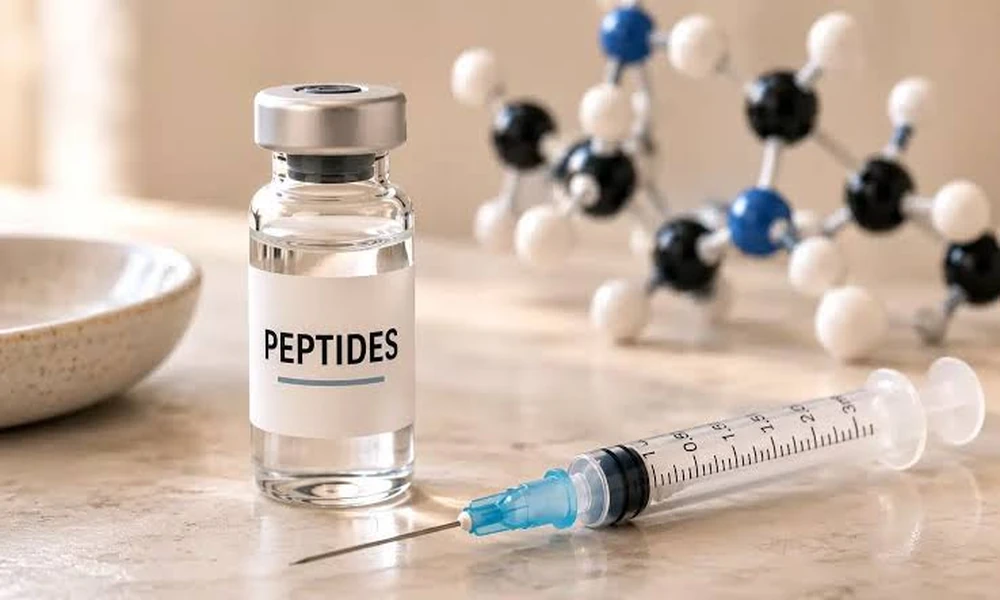
Laboratory storage and reconstitution procedures for peptide blends follow defined protocols that protect sequence integrity from receipt through to preparation for use. Each handling stage introduces variables that affect compound stability if not controlled within specified parameters. top klow peptide blend handling requires temperature-controlled storage, moisture exclusion, and a structured reconstitution sequence throughout the preparation process. Deviations from defined conditions introduce degradation risk that affects the reliability of subsequent research data.
What storage environments require?
Peptide blend storage environments control three primary variables – temperature, moisture, and light exposure. Each affects the rate at which peptide sequences degrade, and all three must remain within defined limits simultaneously to maintain compound integrity.
Temperature requirements for lyophilised peptide blends specify storage between negative 20 and negative 80 degrees Celsius, depending on sequence composition and stated shelf period. Freezer units require calibrated temperature monitoring that records conditions continuously, as brief excursions above the specified range introduce degradation that interval readings may not detect. Moisture exclusion requires storage containers to remain sealed until reconstitution. Peptide sequences absorb atmospheric moisture when exposed to ambient air, accelerating hydrolysis and reducing purity figures. Desiccant packs inside sealed containers absorb residual moisture throughout the storage period. Light exposure is controlled using opaque containers or amber vials, as ultraviolet light initiates oxidative degradation in certain sequences.
What reconstitution steps cover?
Reconstitution converts the lyophilised peptide blend from dry powder into a solution suitable for research use. Each step controls a specific variable affecting concentration accuracy and sequence integrity:
- Solvent selection – Bacteriostatic water or sterile saline is chosen based on sequence composition, as compatibility affects how completely each peptide dissolves without structural alteration.
- Volume calculation – Reconstitution volume is calculated from the target concentration figure, ensuring the correct sequence amount per unit volume in the final solution.
- Addition method – Solvent is added slowly along the inner vial wall rather than directly onto the powder, preventing mechanical disruption of peptide structure during dissolution.
- Mixing procedure – The vial is rotated gently rather than shaken, as vigorous agitation introduces air bubbles that fragment sequences and reduce solution homogeneity.
How do labs store reconstituted solutions?
Reconstituted peptide solutions require different storage conditions than lyophilised compounds because dissolved sequences degrade more rapidly than dry powder forms. Storage temperature typically falls between two and eight degrees Celsius, with most protocols specifying use within a window ranging from 24 hours to several weeks, depending on sequence composition.
Aliquoting divides the reconstituted solution into single-use volumes immediately after preparation. Each aliquot is sealed and stored separately, preventing repeated freeze-thaw cycles that accelerate sequence degradation. Freeze-thaw cycles introduce mechanical stress as ice crystal formation disrupts molecular arrangement within the solution. Aliquot volumes match the amount required for a single research application, eliminating the need to refreeze unused portions. Stability records for each batch document preparation date, solvent used, concentration figure, and storage conditions throughout the usable period.
Lyophilised compounds, solvent compatibility, and post-preparation temperature ranges each play a distinct role in determining how reliably a peptide blend performs within a research workflow.