

Weight loss is often portrayed as something achievable through discipline, the right meal plan, or a strict exercise routine. While these efforts benefit many, they are not always enough for those dealing with severe obesity. When weight continues to impact health despite lifestyle changes, it is no longer just about willpower. It becomes a medical concern that requires a different approach. In such cases, gastric sleeve surgery is considered an effective option. This procedure reduces stomach size, enabling individuals to feel full with smaller meals and maintain their weight more effectively over time. If you are considering gastric sleeve surgery in Plano, consulting an experienced bariatric surgeon will help you understand whether this procedure suits your health needs. Read on to learn who is suited for gastric sleeve surgery and what it can mean for your journey towards improved health and confidence.
Beyond Diets and Exercise
While diet and exercise are often recommended for weight loss, they do not always produce the significant results needed to improve health in cases of severe obesity. This is because obesity is a complex condition influenced by factors such as genetics, metabolism, hormonal balance, and underlying health issues, making it difficult to address through lifestyle changes alone. Gastric sleeve surgery offers an option beyond traditional weight loss methods by addressing the body’s physical limitations.
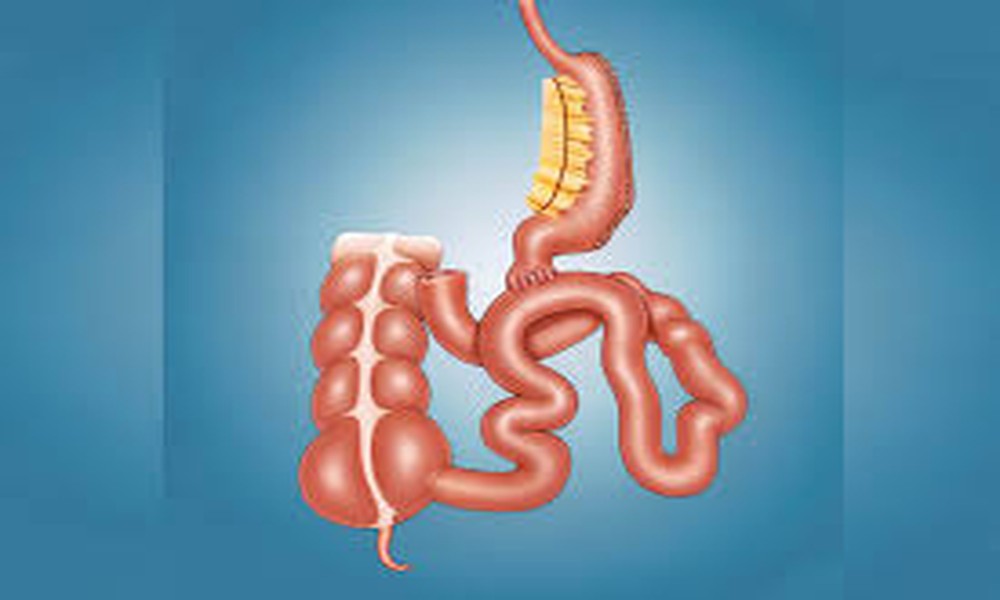
Also known as sleeve gastrectomy, this procedure involves removing a large portion of the stomach, leaving behind a narrow sleeve-like structure about the size and shape of a banana. This significantly limits the amount of food the stomach can hold and also reduces the production of ghrelin, a hormone that stimulates hunger. As a result, individuals feel full sooner, eat smaller portions, and consume fewer calories overall. Unlike diet plans that often bring temporary results, gastric sleeve surgery creates changes within the digestive system that support long-term weight management and improvement in obesity-related health conditions.
Who Can Benefit from Gastric Sleeve Surgery?
Gastric sleeve surgery is not a general solution for weight loss; it is a medical intervention intended for individuals whose health is significantly impacted by excess weight and who have not achieved sufficient results with other methods. It is considered most effective when combined with a commitment to long-term lifestyle changes and ongoing medical care. Below are the main groups who may be considered suitable candidates for gastric sleeve surgery:
- People with a BMI of 40 or Higher: Individuals with a body mass index (BMI) of 40 or above are classified as severely obese. At this stage, excess weight often interferes with daily activities, reduces mobility, and increases the risk of life-threatening conditions, making gastric sleeve surgery a medically recommended choice.
- People with a BMI Above 35 with Obesity-Related Health Conditions: Those who have a BMI over 35 and obesity-related health problems such as type 2 diabetes, high blood pressure, sleep apnea, or heart disease may be eligible for gastric sleeve surgery. Weight loss from this procedure can improve or even resolve many of these conditions.
- People with a BMI Between 30 and 34.9 with Serious Health Concerns: In specific cases, individuals with a BMI between 30 and 34.9 may be considered if they suffer from obesity-related health issues that remain uncontrolled despite intensive medical treatments and supervised weight loss programs.
- Individuals with Obesity-Related Respiratory Problems: Those experiencing breathing difficulties or conditions like obesity hypoventilation syndrome (OHS) may benefit, as weight loss after surgery can improve lung function and ease breathlessness.
- Individuals with Reduced Mobility Due to Excess Weight: Severe obesity can place significant strain on joints, limiting independence and daily function. Gastric sleeve surgery often helps ease joint stress, enhancing physical mobility and overall quality of life.
- Individuals Who Have Not Achieved Weight Loss Goals with Previous Surgeries: Some people may have undergone prior weight loss procedures without achieving their desired health outcomes. Gastric sleeve surgery can be considered as a revision procedure in such cases, depending on individual assessment and medical advice.
- Women Facing Fertility Challenges Due to Obesity: Obesity can impact hormonal balance and fertility. Women experiencing difficulties in conceiving due to obesity may benefit from gastric sleeve surgery, as weight loss after the procedure often improves reproductive health and enhances fertility outcomes.
- Individuals Whose Mental Wellbeing is Impacted by Severe Obesity: People experiencing low self-esteem, social withdrawal, or depressive symptoms linked to obesity-related limitations may find that weight loss from gastric sleeve surgery can restore confidence and support improved emotional wellbeing. However, mental health readiness is also a key requirement before surgery to ensure long-term success.
Positive Outcomes and Potential Risks
Before deciding on gastric sleeve surgery, it is important to understand both its potential benefits and the risks involved. If you are considering gastric sleeve surgery in Plano, consulting an experienced bariatric surgeon can provide clear guidance about the expected outcomes and any potential risks based on your individual health needs.
Positive Outcomes
Gastric sleeve surgery offers a range of positive health outcomes beyond just significant weight loss. Many patients achieve substantial weight reduction within the first year, which can support long-term improvements in overall health and quality of life. This weight loss often leads to better management of type 2 diabetes, with some individuals experiencing such improved blood sugar control that they no longer require diabetes medications. Blood pressure levels can also decrease, reducing the risk of heart disease and stroke, while symptoms of sleep apnea frequently improve, allowing some patients to stop using CPAP therapy.
Additionally, losing excess weight eases pressure on joints, reducing pain and enhancing mobility, and many people find themselves feeling more energetic and active in their daily routines. For women who face fertility challenges linked to obesity, weight loss after surgery may help restore or improve reproductive health. Overall heart health benefits from reduced strain on the cardiovascular system, and improved mental wellbeing is common, with many individuals experiencing greater confidence, a more positive mood, and reduced symptoms of depression.
Potential Risks
Like any surgical procedure, gastric sleeve surgery does come with some potential risks, but serious complications are relatively uncommon, especially under the care of an experienced bariatric team. There may be a risk of bleeding during or after the procedure, and as with any surgery, infections can occasionally occur at incision sites or internally. Some individuals might experience mild reactions to anesthesia. Because the stomach is smaller after surgery, nutrient absorption can be reduced, making it important to follow dietary guidance and take recommended supplements. Rarely, a leak can develop along the staple line of the stomach, and some patients may notice acid reflux symptoms after surgery. Additionally, rapid weight loss can sometimes lead to gallstones, but your care team will monitor and guide you to minimize such risks.
Wrapping Up
Gastric sleeve surgery is more than just a procedure; it is an opportunity to take back control of your health and daily life. While it offers meaningful weight loss and improvements in obesity-related conditions, lasting success depends on your commitment to healthy eating, regular physical activity, and ongoing follow-up care. If you or someone you care about is considering gastric sleeve surgery in Plano, consulting a qualified surgeon will provide personalized guidance to determine whether it aligns with your health goals. With the right medical support and dedication to healthier habits, this journey can lead to sustainable weight loss, improved overall health, and renewed confidence.