

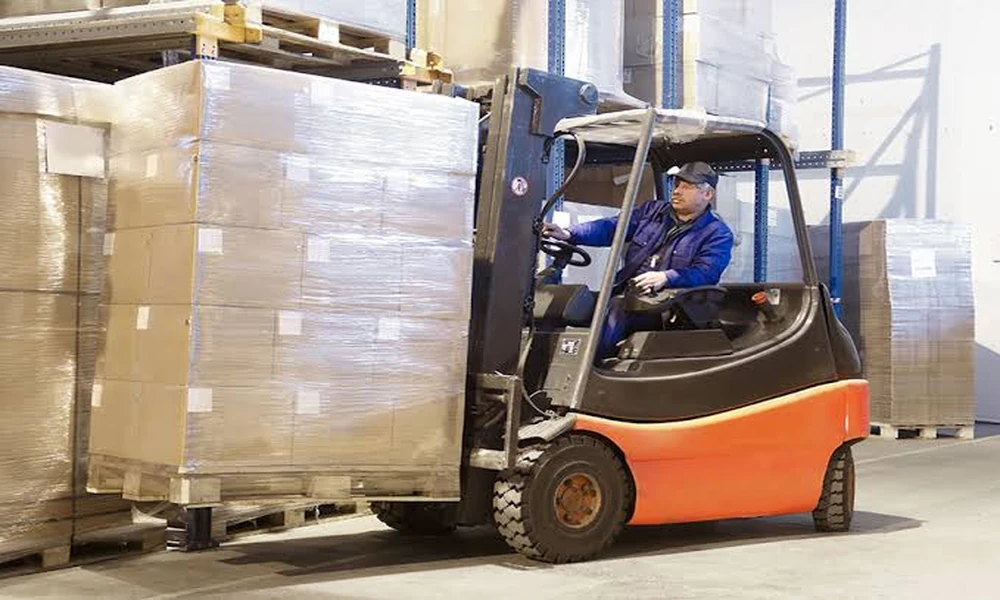
Shipping freight safely is crucial for any business. With less-than-truckload (LTL) freight, you share space with other shipments, making secure packaging even more important. Before discussing the best practices for packaging, it’s essential to understand the differences: ltl vs full truckload. When using full truckload, your shipment occupies the entire truck. This reduces handling and potential damage. However, LTL offers cost savings when shipping smaller loads, although it involves more handling at distribution centers. For LTL, you need to focus on protecting your items from potential harm during these movements. Proper packaging shields your goods and ensures they reach their destination intact. You can achieve this by using sturdy boxes, internal padding, and labeling correctly. Remember, your goal is to minimize damage risks while maximizing the security of your shipment. Follow these steps, and your shipment will succeed every time.
Choose the Right Materials
Begin with selecting the appropriate packaging materials. Cardboard boxes of good quality are essential. They provide a strong protective layer. For heavier items, consider using double-walled corrugated boxes. These offer extra strength and support. Bubble wrap and foam peanuts can fill empty spaces, preventing movement. Pallets provide a stable base for larger shipments. Ensure they are in good condition, without cracks or breaks.
Secure Your Shipment
Once packed, securing your shipment is crucial. Use strong packing tape to seal boxes. Wrap each box entirely to ensure the tape’s strength. Strapping can secure your boxes to pallets. This prevents shifting during transport. Additionally, shrink wrap around the entire pallet creates an extra layer of security and keeps everything tight together.
Label Properly
Effective labeling plays a vital role in safe shipping. Labels should clearly display the destination address. Include contact information to avoid confusion. Use “This Side Up” labels if needed, to indicate orientation. Fragile items require “Handle with Care” labels. Consistent labeling helps handlers treat your shipment with the care it needs.
Compare LTL and Full Truckload
| Feature | LTL | Full Truckload |
|---|---|---|
| Cost | Lower for small loads | More economical for large loads |
| Handling | Multiple loading/unloading | Minimal handling |
| Space | Shared | Exclusive |
| Speed | Slower due to stops | Faster direct route |
Understand Load Distribution
Avoid overloading boxes. Evenly distribute weight to maintain balance. This prevents damage and eases handling. Heavy items should be at the bottom, with lighter ones on top. When stacking on pallets, ensure they don’t exceed load limits. Correct distribution keeps your shipment stable.
Use Cushions Effectively
Using internal cushions protects items from shocks. Bubble wrap, foam sheets, or air pillows are choices. Wrap each item carefully. This prevents direct contact with the box’s walls. Make sure no space is left unfilled, as loose items can easily get damaged.
Consider Insurance
Even with all precautions, accidents can happen. Insuring your shipment provides peace of mind. Coverage helps recover losses if damage occurs. Check with your carrier for available options. Protect your investment by considering insurance needs.
Consult Expert Resources
For more guidance on freight packaging, consult resources like the Federal Motor Carrier Safety Administration. They provide comprehensive tools and information. Staying informed helps you make safe and cost-effective choices.
In conclusion, packaging LTL freight safely requires attention to detail. Choose the right materials. Secure and label correctly. Understand the differences: ltl vs full truckload. Balance load, use cushions, and consider insurance. By following these steps, you ensure that your shipment arrives safely, protecting both your goods and your business reputation.