

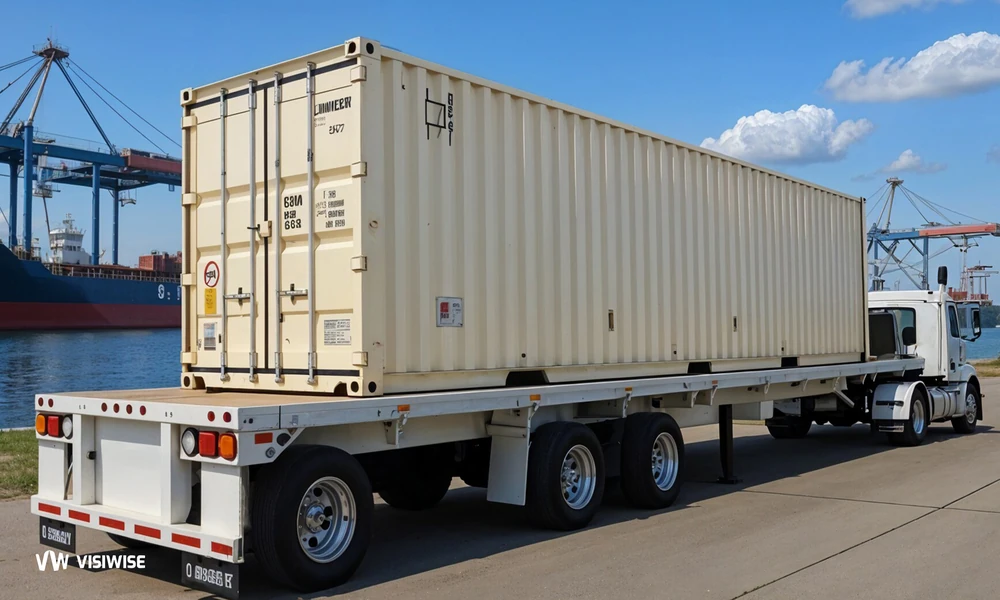
When expanding a container transportation fleet, one of the most common questions operators ask is whether a lightweight chassis is worth the investment. While traditional chassis remain widely used, lightweight designs have gained popularity because they can improve payload capacity, reduce operating costs, and support more efficient freight movement.
The answer depends on the type of cargo being transported, the containers being handled, and the long-term goals of the business.
What Are the Advantages of a Lightweight Chassis?
A lightweight chassis is designed to reduce the overall weight of the equipment without compromising structural integrity. By lowering chassis weight, carriers can dedicate more of the vehicle’s allowable gross weight to cargo instead of the equipment itself.
This can be particularly beneficial for businesses that regularly transport heavy loads and want to maximize payload efficiency. A lighter chassis may also contribute to improved fuel economy, which can result in lower operating costs over time.
For logistics companies focused on productivity and cost management, these benefits can make lightweight designs an attractive option.
How Does a 40-Foot Container Chassis Fit Into the Equation?
A 40-foot container chassis is one of the most commonly used pieces of equipment in container transportation because it is specifically designed to carry standard 40-foot shipping containers.
When combined with lightweight construction, a 40-foot chassis can help carriers optimize cargo capacity while maintaining the strength required for daily operations. This is especially useful for freight operators that frequently move containers between ports, rail terminals, and distribution centers.
Businesses handling high shipping volumes often evaluate chassis weight alongside durability, maintenance requirements, and expected lifespan before making purchasing decisions.
What Should You Look for When Comparing Chassis for Sale?
Businesses searching for a shipping container chassis for sale should evaluate more than just the purchase price. Equipment specifications, construction quality, load capacity, and maintenance history all play important roles in determining long-term value.
A lower-cost chassis may appear attractive initially, but ongoing repair expenses and reduced reliability can increase overall ownership costs. Buyers should also consider whether the chassis is compatible with the container sizes they handle most frequently.
Reviewing operational needs before making a purchase can help ensure the equipment delivers the expected return on investment.
Is a Lightweight Chassis the Right Choice for Your Fleet?
Lightweight chassis are often a good fit for businesses looking to improve efficiency and maximize payload capacity. However, the best option depends on freight requirements, transportation routes, and expected equipment usage.
Some operators prioritize durability for demanding environments, while others focus on reducing operating costs and improving cargo capacity. Understanding these priorities can make the decision much easier.
For companies considering a shipping container chassis for sale, comparing standard and lightweight options can help identify the solution that best supports long-term transportation goals.
Making a Smarter Equipment Investment
Purchasing a chassis is a long-term decision that affects operational efficiency and transportation costs. Whether choosing a traditional model or a lightweight chassis, businesses should focus on equipment that aligns with their freight volumes and operational requirements.
By carefully evaluating available options, companies can select a 40-foot container chassis that supports reliable performance and helps improve the overall efficiency of their logistics operations.