

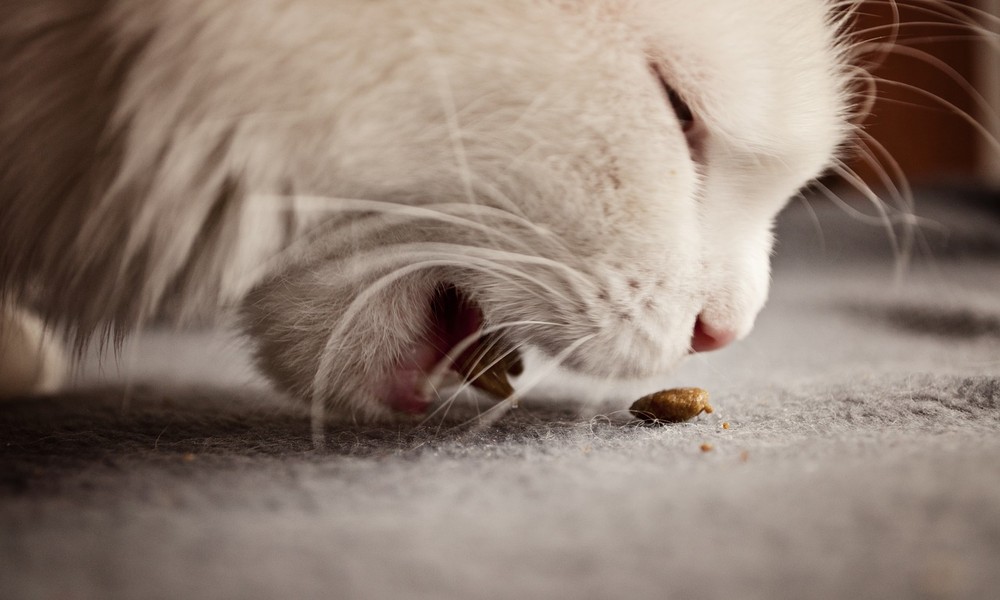
Every cat owner has heard their cat vomiting. Sometimes it happens after a cat eats food and throws up. It also happens in the early hours of the morning that wakes you up in a panic.
Many cat owners are asking why their cat ate food and threw up (แมวกินอาหารแล้วอ้วก) after. You want to investigate why it frequently occurs. It is worth mentioning that cats vomit and regurgitate.
Are all vomits the same?
Here is a brief explanation about the different types of vomiting:
- Gagging. It happens when a cat sticks its neck out and makes awful gagging sounds, yet nothing comes out. Some frothy foam comes out, and they usually swallow again.
- Regurgitation. Regurgitation happens after a cat eats. There is a problem on the esophagus when they experience frequent regurgitation. It might be because the cat eats too fast.
- Vomiting. You will see the signs in:
- pacing
- repeated swallowing
- contracting stomach muscles
A veterinarian can spot nuances. Some cat owners call it behaviour.
Why does a cat throw up?
The possible causes of cat vomiting after eating are:
- adjusting to a new food
- food intolerance
- allergies
- blockage
Cat vomiting can be a sign of a serious health condition. It can be any of the following:
- lethargy
- fever
- pain
- diarrhea
- loss of appetite
Vomiting vs. regurgitating in cats
Vomiting is when a cat throws up partially digested food. Regurgitation is when a cat throws up after eating. It expels swallowed food from the esophagus.
It is a common nature of canines. You have seen videos of other dog breeds that regurgitate to feed their young. There can be a sign of something if your cat is regurgitating. It might be eating too fast that makes them regurgitate. Another reason they regurgitate is swallowing the kibble without fully chewing it.
Therefore, the vomit looks like a whole kibble with a liquid. The reasons why a cat eats too fast are:
- cat really likes the food
- other animals are present while eating
The cat might be anxious that another animal will eat it if it is not finished.
Cat eats too fast
Adjust the food you give by slowing down their mealtime. You can give them food several times a day in smaller amounts. Soon you will notice they slow down eating.
For example:
Spread the food on a flat surface. There is also a slow eating bowl for cats that you can use.
You can encourage a cat to take more time eating by spreading the kibble. There are also bowls designed for fast eaters. You can also make their meals more challenging by putting the food in a maze or smaller bowls. Thus, this makes the cat reach with its paws.
Do not think that this makes the cat pitiful. You are encouraging a fast eater to slow down the eating when they are challenged on how to drag the food to eat.
FAQs
How can cats adjust from fast eating to slow eating?
A fast-eating cat can cause vomiting after eating. Feeding them through a challenging form is good to adjust how they eat.
Is throwing up after eating dangerous?
Throwing up after eating can be dangerous and not. It depends on the color of the vomit. Throwing up hairballs is common. Vomiting with red is a possible sign of blood.
Is cat vomiting a sign of poison?
Not all cat vomiting is a sign of poisoning. You can suspect that they are poisoned when you see them with less energy. Cats salivating is another sign that they are poisoned. Diarrhea is another sign of a poisoned cat.
When to call for veterinary help?
Call for a vet is the right decision when a cat vomits red. A vomit mixed with a foreign object needs veterinarian advice.